
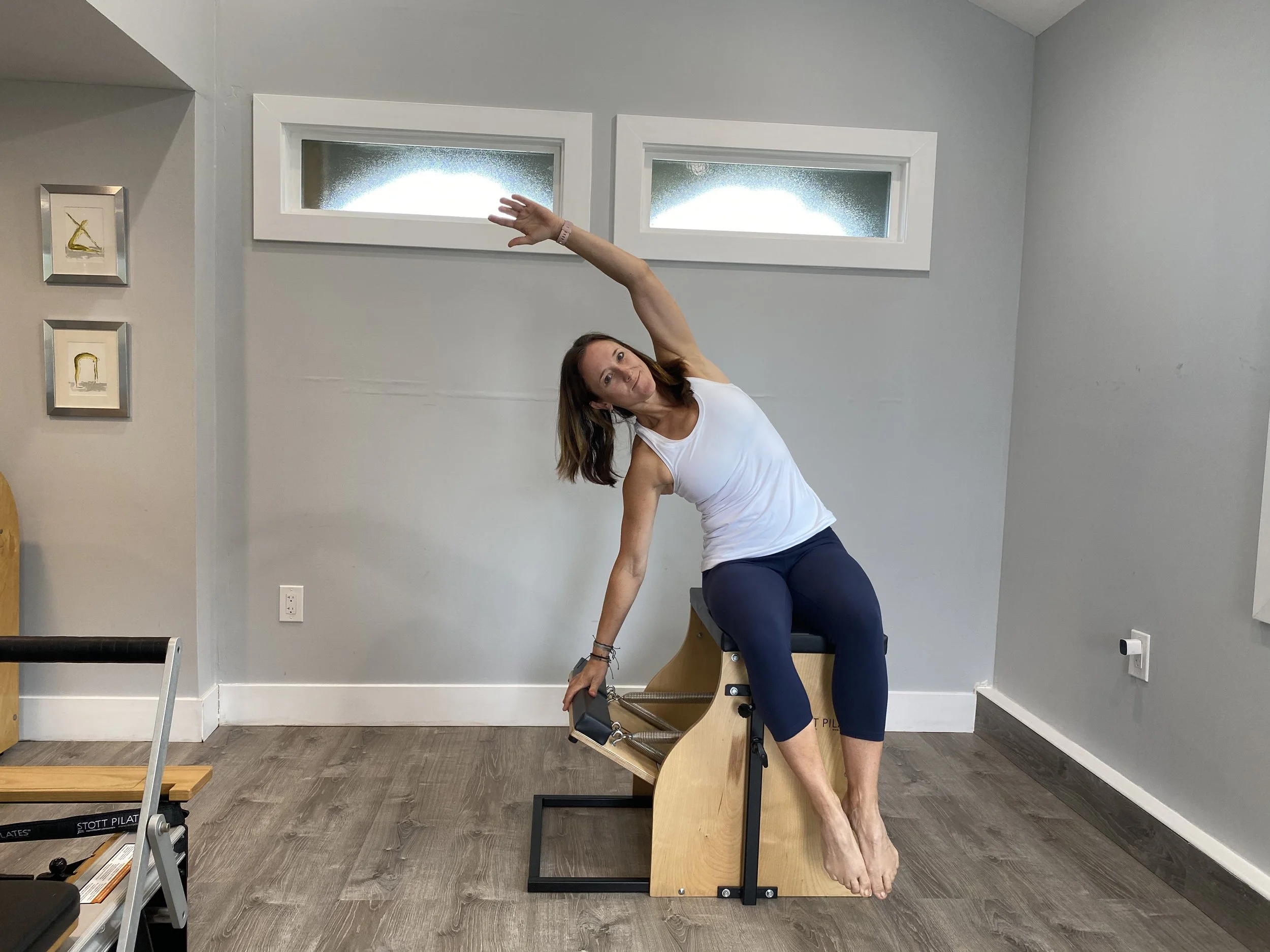
Pilates
At The Mind Body Union, your practice is built around you. We focus on purposeful movement, individualized instruction, and helping you feel stronger, more capable, and more connected to your body.
From return to movement, pelvic floor strength, athletic conditioning, injury prevention and pickleball training, each session meets you where you are and evolves with you.
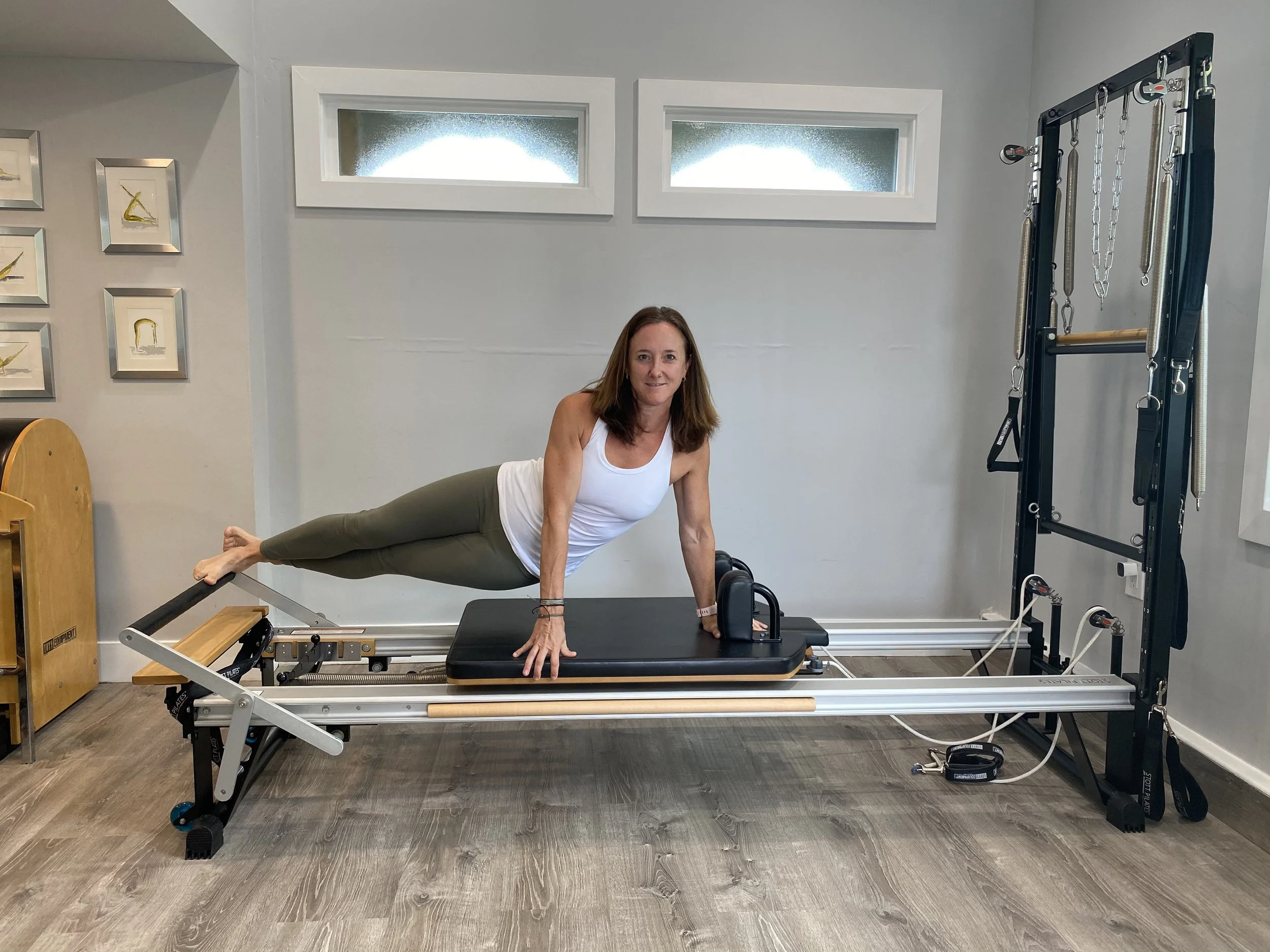
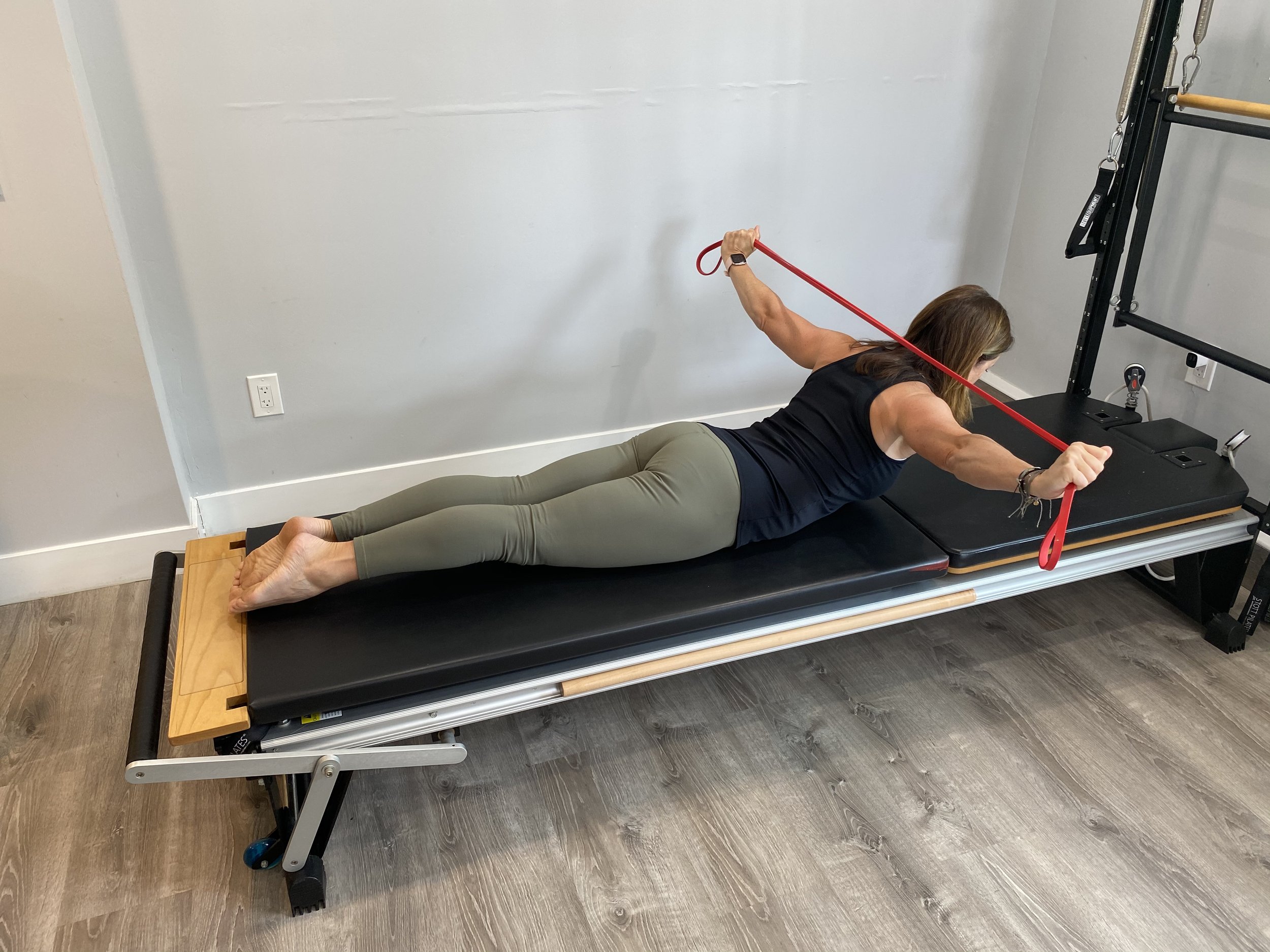
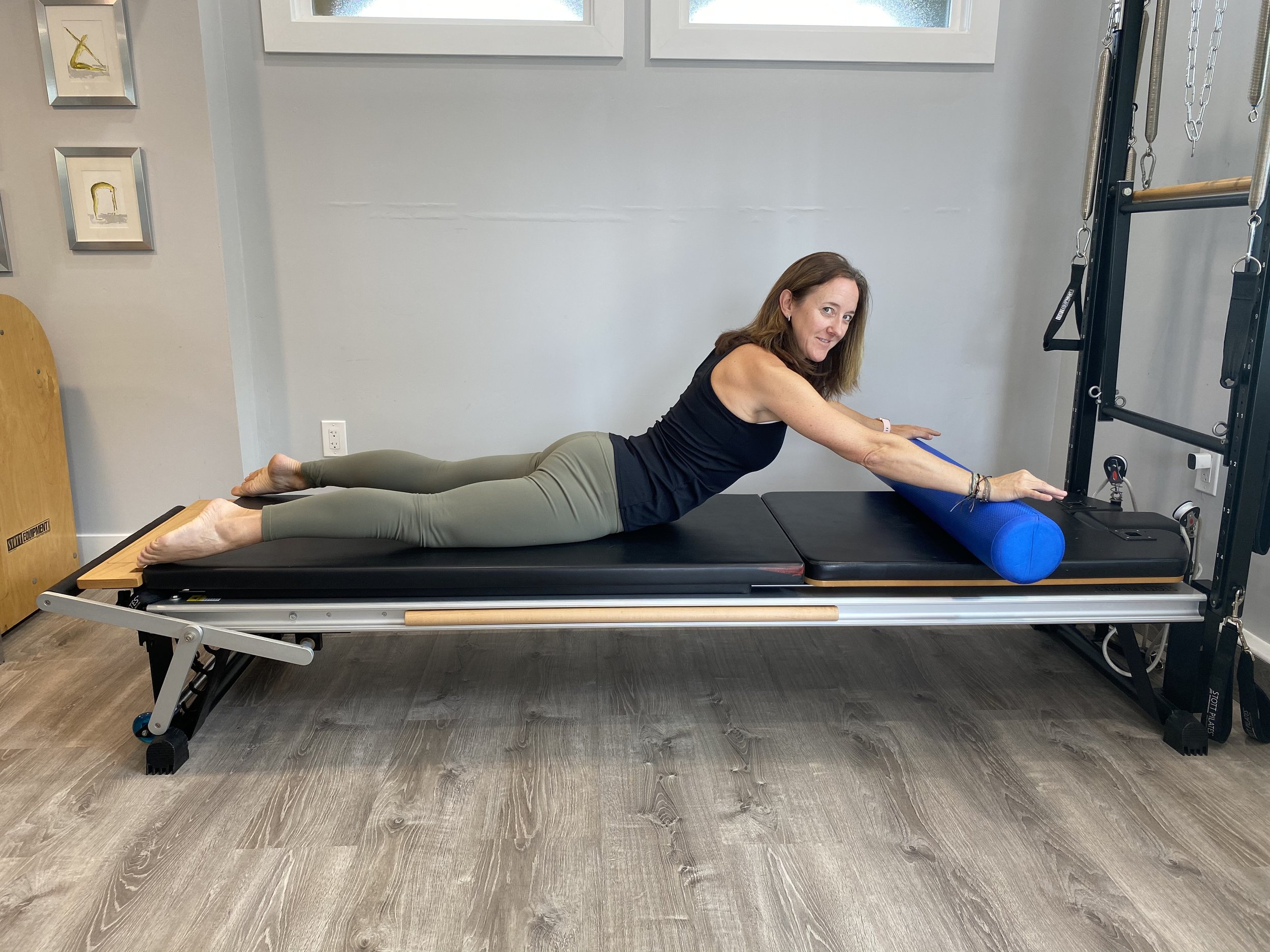
Private Pilates
✳︎
Semi-Private Pilates
✳︎
Online Classes
✳︎
In-Studio
✳︎
Private Pilates ✳︎ Semi-Private Pilates ✳︎ Online Classes ✳︎ In-Studio ✳︎
Ways to Move
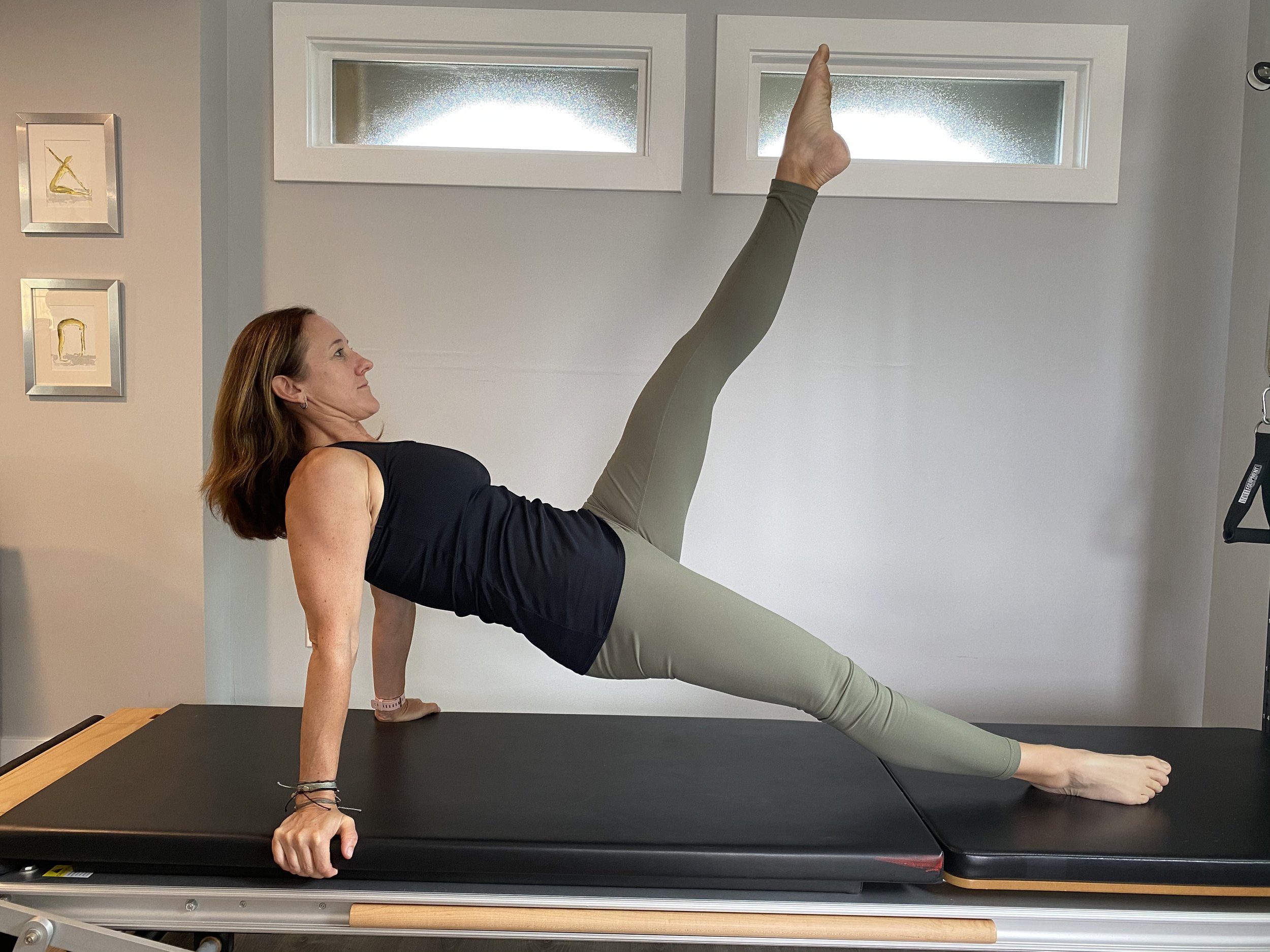
$75 / session
One-on-one instruction tailored to your body, goals, and experience.
PRIVATE PILATES
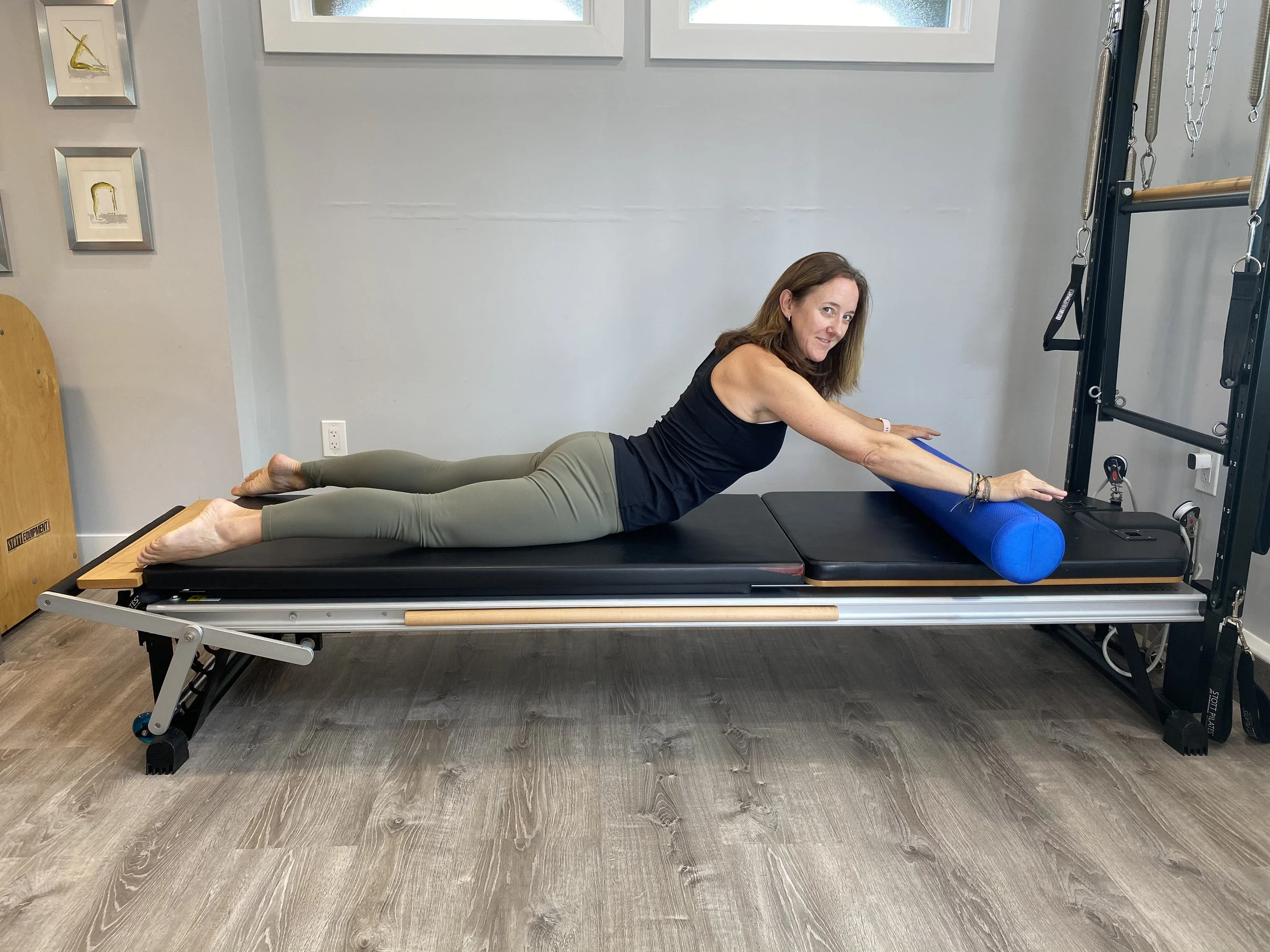
$55 / session
Personalized instruction for two. Bring a friend, a partner, or a family member and move together.
SEMI-PRIVATE PILATES
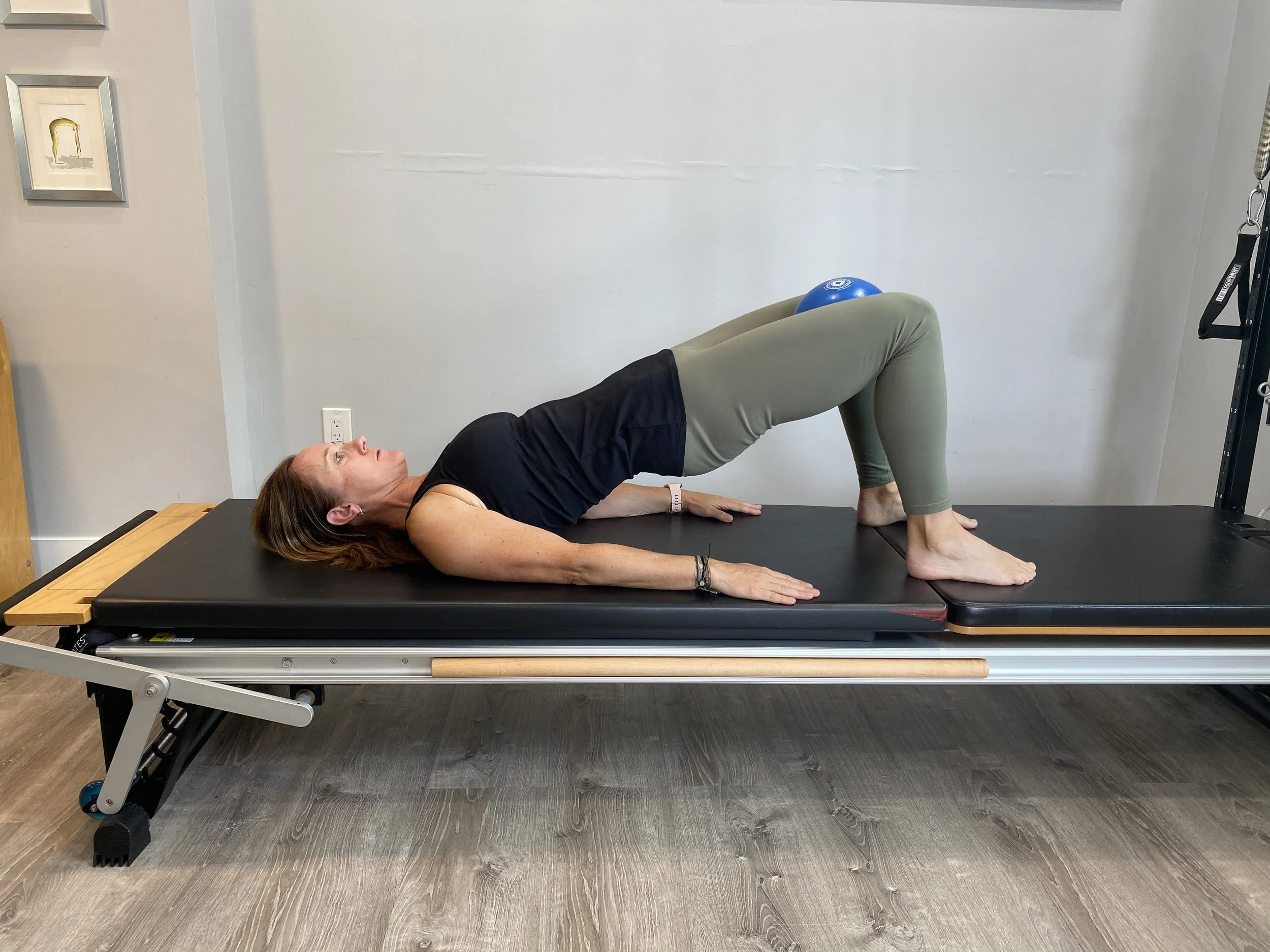
$50 / session
Personalized pilates instruction from the comfort of your own home.
ONLINE PILATES
A Practice That Grows With You
The more consistently you move, the more you begin to understand your body and discover what it’s capable of. Our session packages make it easy to create a Pilates practice that fits into your life—whether you're taking your first steps into Pilates or building a long-term movement practice.
Begin with our introductory 3-pack, or choose a 10 or 20 session package when you're ready to make Pilates part of your regular routine.
Here’s how it works ….
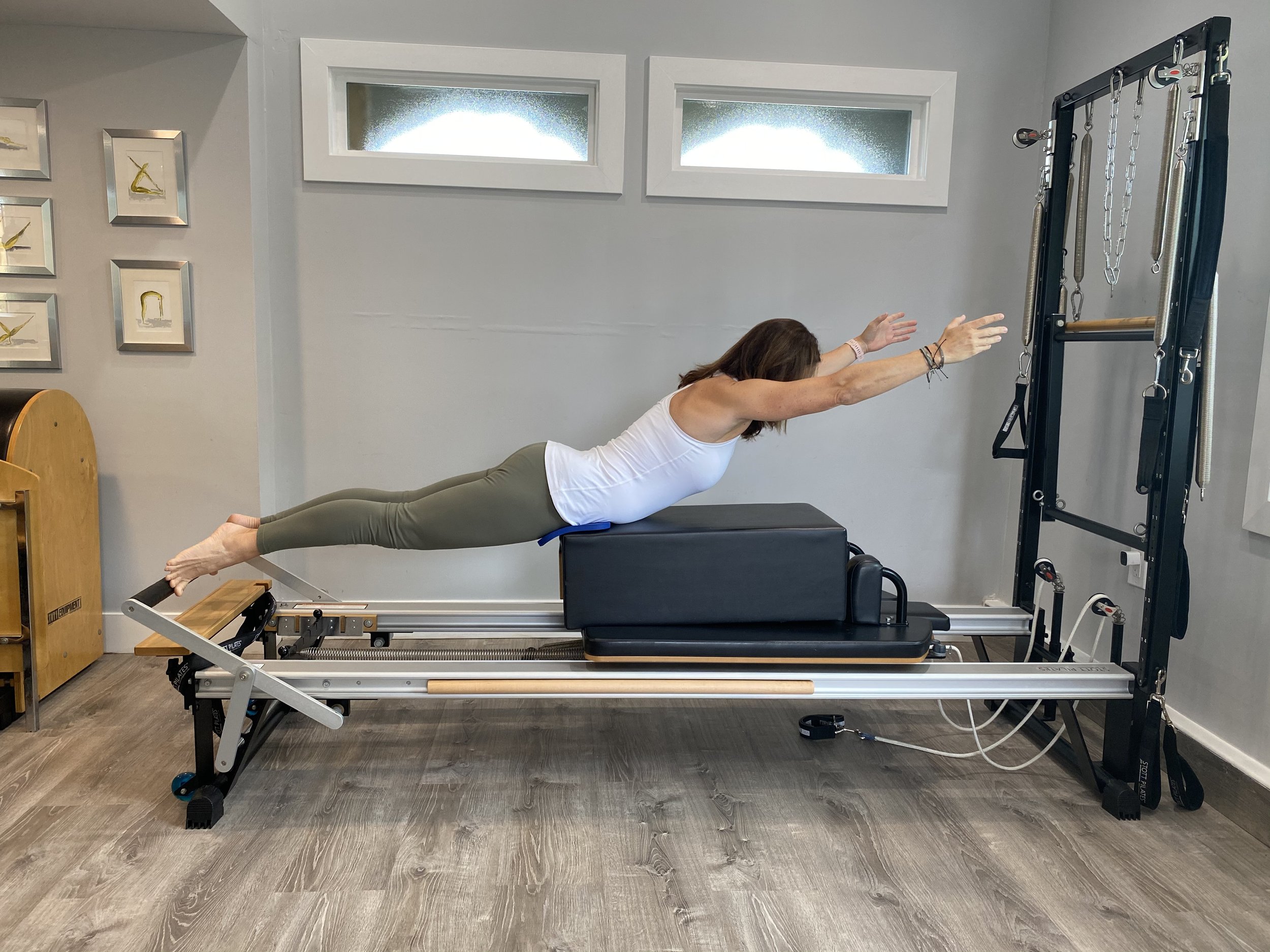
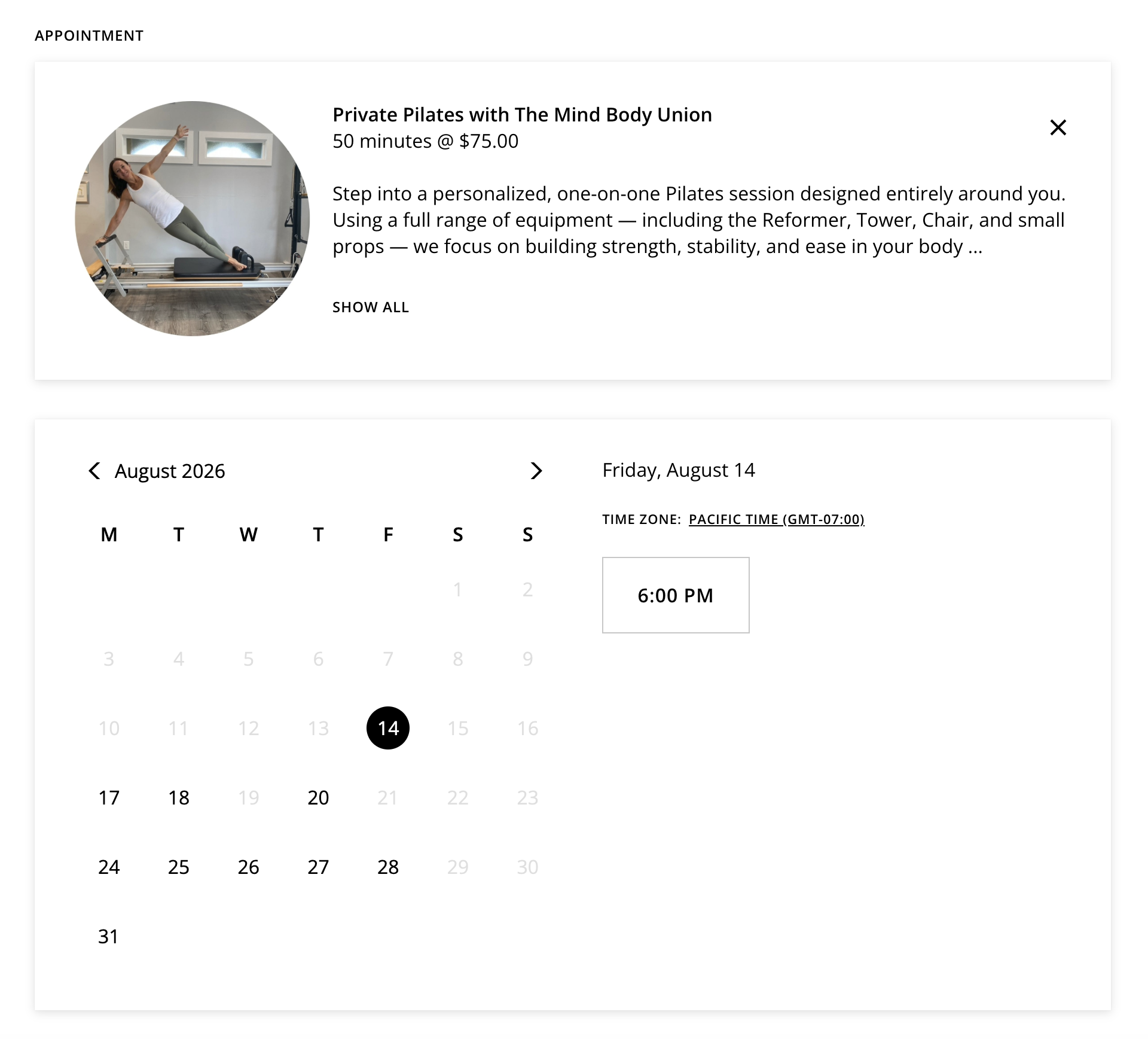
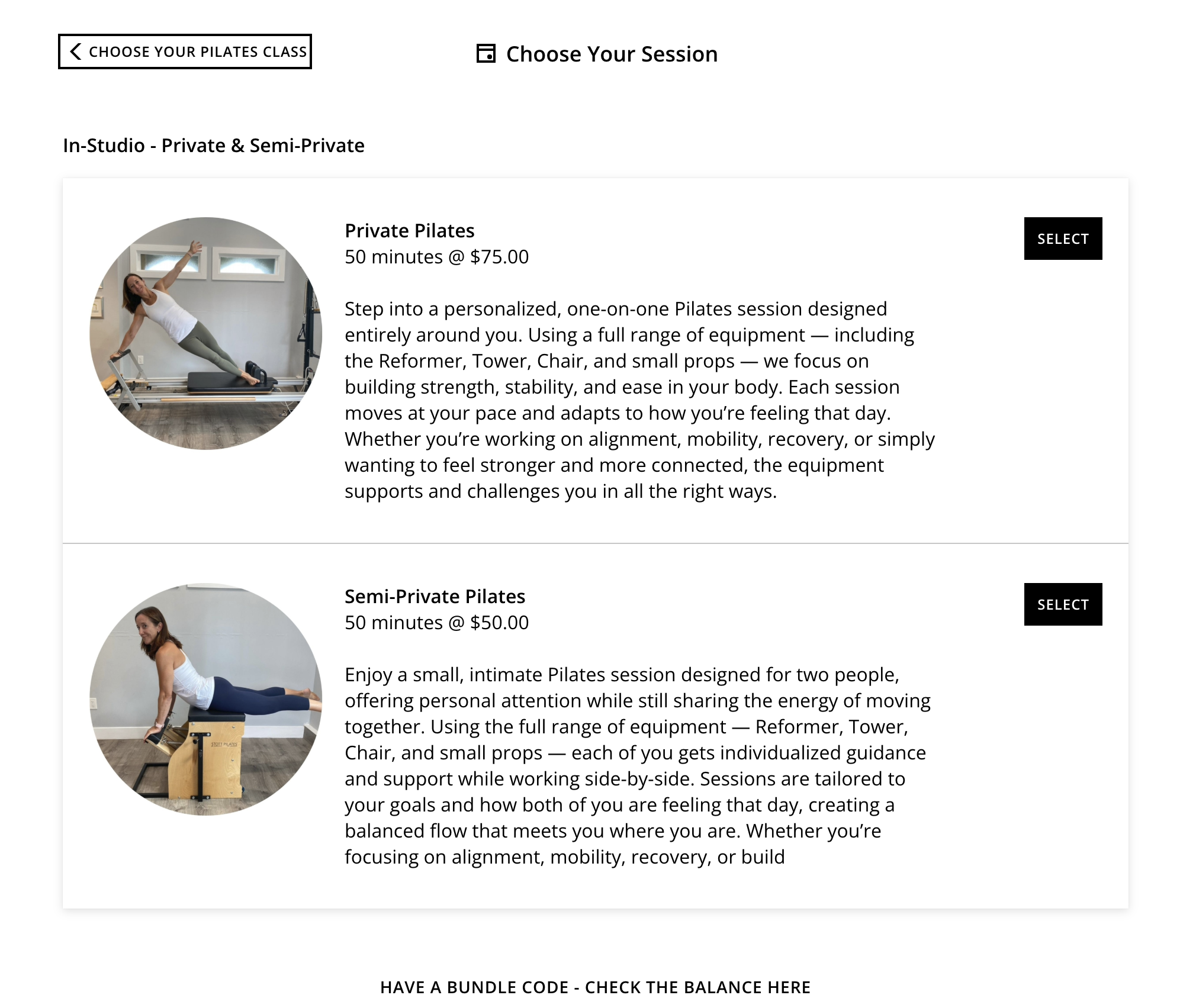
Choose the session that feels right for you, select a convenient day and time, and reserve your appointment online. You’ll receive all the information you need to know before your first session, so you can arrive feeling prepared and comfortable.
Step 1 - EXPLOREExplore the different ways to work with us and find the session that feels right for you. Choose from in-studio or online. Then decide if you want to do private or semi-private. You will even have a few more specialized options to choose from. Choose your training based on your goals, interests, and where you are in your movement journey.
Step 2 - BOOKBegin a personalized practice designed around you, your body, and your goals. Each session is thoughtfully adapted to your needs, helping you build strength, mobility, balance, and body awareness while progressing at a pace that feels right for you. As you grow stronger and your goals evolve, your practice evolves with you.
Step 3 - ARRIVEOnce you’re settled in, we’ll take a few moments to get to know you. We’ll discuss your movement history and goals, and, if you would like, do a brief postural and movement assessment to better understand your body and how you move.
Step 4 - MOVE

The STOTT PILATES® Difference
STOTT PILATES® is a contemporary, anatomy-focused approach to Pilates that emphasizes alignment, breathing, core stability, and balanced muscular development.
My training allows me to look beyond simply teaching an exercise. I consider how your body moves, where you may need support or challenge, and how each movement can be adapted to your individual needs.
The result is Pilates that is thoughtful, purposeful, and personal. Your practice can evolve with you—from building a strong foundation to returning from injury, maintaining lifelong mobility, or challenging yourself athletically.
-
Breathing properly promotes effective oxygenation of the blood, focuses the mind on each task and helps avoid unnecessary tension, particularly in the neck, shoulders and mid-back. Exhaling deeply can also help activate the deep support muscles of the body
-
It is key to emphasize stabilization of the pelvis and lumbar spine both statically and dynamically in all positions and throughout all movements. The two positions most often used are neutral and imprint. In a neutral position, the natural anteriorly convex curve of the lumbar spine is present. In most cases, when lying supine, the triangle formed by the ASIS and the symphysis pubis should be parallel to the Mat. This is the most stable and optimal shockabsorbing position and a good place from which to promote efficient movement patterns
-
The abdominal wall attaches to the lower ribs. The abdominal muscles must often be recruited to maintain the rib cage and the thoracic spine, in proper alignment. Often the rib cage will tend to lift up in the supine position or deviate forward in a sitting position, extending the thoracic spine. Pay particular attention while inhaling or elevating the arms. Engagement of the obliques will ensure proper alignment at all times
-
Stabilizing scapulae on the rib cage is as important as contracting the abdominal muscles during the initiation of every exercise. When stability is absent, there is a tendency to overwork muscles around the neck and shoulders
-
The cervical spine should hold its natural curve with the skull balancing directly above the shoulders when sitting in neutral. This position should also be maintained when lying on the back. If there is a kyphosis or forward head posture, pads or pillows under the head may be necessary to support the head, and prevent overextension and unnecessary tension in the cervical spine